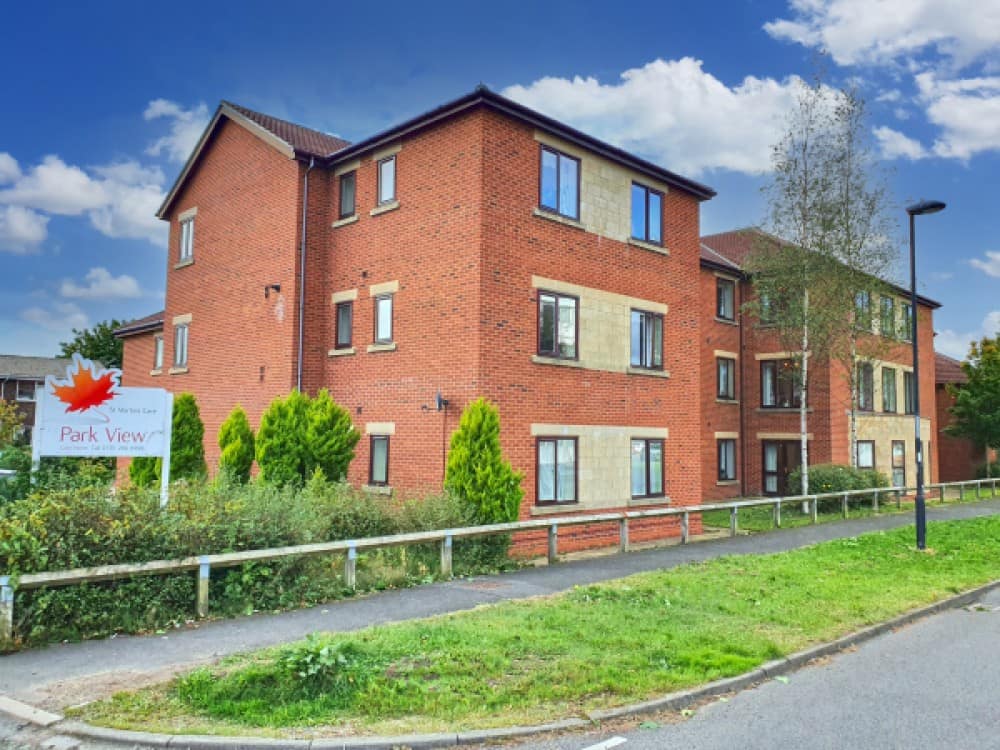
A care home visit almost always happens during the day, which means families rarely see what staffing and supervision actually look like overnight — precisely when falls, confusion, and urgent needs are statistically more likely to occur.
Ask for actual night staffing numbers
Ask directly how many staff are on duty overnight relative to the number of residents on your relative's unit, and how this compares to daytime staffing. A significant drop in ratios overnight isn't automatically a red flag — it's standard practice — but you want a specific number, not a vague reassurance.
Ask how call bells are handled overnight
Find out the home's typical response time to call bells during the night shift specifically, and whether this is monitored or logged. Some homes can provide data on this; a home that can't or won't answer the question at all is worth treating with more caution.
Ask about falls prevention measures
Ask what specific measures are in place for residents at higher risk of falling overnight — sensor mats, low beds, regular overnight checks — and whether these are individually assessed rather than applied as a blanket policy. A good home tailors overnight falls prevention to each resident's specific risk profile.
Ask how falls are recorded and followed up
Ask how the home records falls incidents, whether family are informed when a fall occurs, and what happens afterwards — a falls risk reassessment, a GP review, adjustments to the care plan. A home with a clear, consistent process is telling you something different from one that treats each fall as an isolated event.
Cross-check with the CQC report
The latest CQC inspection report often references falls management and night-time staffing directly. Read this alongside what the home tells you on a visit, and ask about any discrepancy you notice.
How to use this guide in practice
Don’t read this as general information — use it as a worksheet. Write down the details of the person who needs care, the current limits of the situation at home, the monthly budget, the documents you already have, whether a local-authority financial assessment may apply, and who you’ve already spoken with. Then turn every unclear point into a specific question. A family that arrives with a clear picture usually gets more useful answers than one calling under stress with scattered information.
Keep one simple rule: anything about admission, cost, funding, timelines and whether a care home fits must be confirmed directly with the care home or the competent authority serving your area. This guide prepares the search — it does not replace official decisions.
Want a clear shortlist before you start calling?
If you don’t know which care homes to contact first, Curalune Care Help can prepare an ordered shortlist of 3–5 suitable options — with CQC ratings, contacts, useful links and a ready-to-send inquiry.
The service helps you organise the search.£69, one-off. If you don't receive at least 3 homes matching the area and criteria you gave us, we refund you in full. It does not replace the care home’s own assessment and does not guarantee admission, price or bed availability.
Important limit
Curalune offers practical help with the search and orientation. Admission, pricing, bed availability and the final assessment always rest with the care homes and the competent authorities (the local authority, the NHS, the Care Quality Commission).