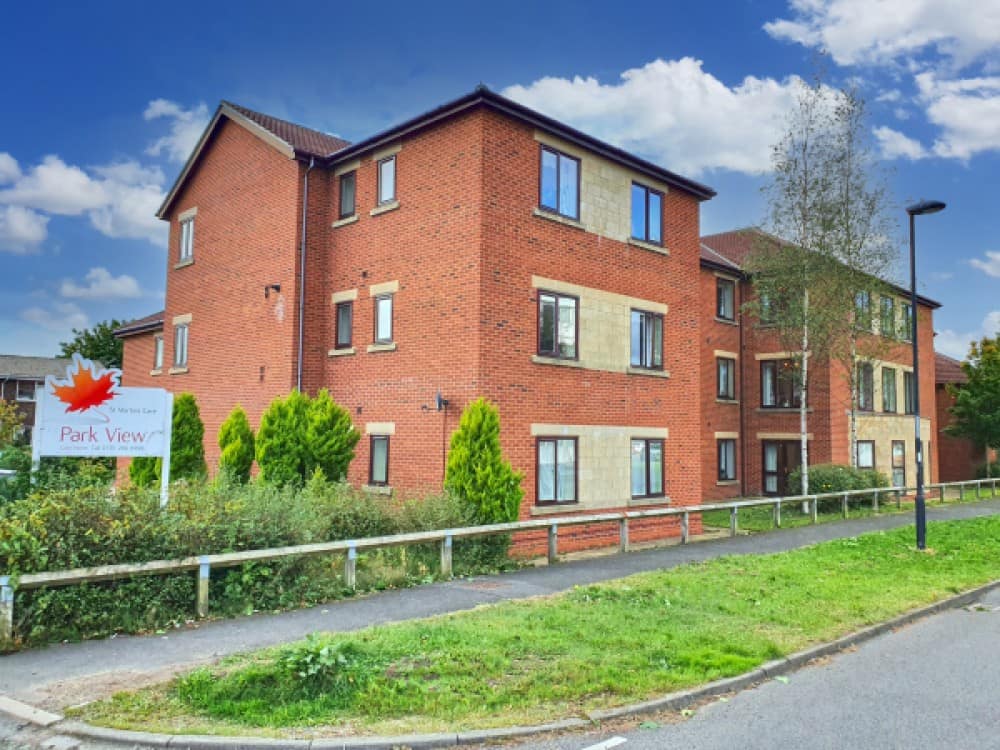
Almost nobody moves into a care home by decision
They move after a fall with a fracture, after a night that ended in A&E, after the carer collapsed. It is nearly always an event, not a considered choice.
That changes how to think about it: if you want your mother to stay at home longer, the job is not to "hold on", it is to prevent the event. And the event, in the great majority of cases, is a fall at night on the way to the toilet.
The changes, in order of effect
- Light on the route from bed to bathroom. The best value change there is: two or three motion-sensor night lights in the bedroom, hallway and bathroom. They cost very little and cover the moment when most falls happen.
- Remove the rugs and the cables. All of them, not "the dangerous ones". The rug at the bottom of the stairs and the bathmat are the worst offenders. Clip lamp and phone leads to the wall.
- Grab rails screwed into the wall by the toilet and in the shower. *Not* suction-cup rails: they let go, and they let go at the moment weight goes on them.
- Bathroom: raised toilet seat, shower stool, non-slip mat inside the tray, long-hose shower head. A low toilet is one of the commonest reasons someone can no longer get up unaided.
- Closed-back, non-slip shoes indoors too. Backless slippers cause falls; socks on smooth floors do as well.
- Bed height and a chair with armrests. Getting up from a low, soft sofa is hard and risky: she needs a higher, firmer seat with something to push against.
- Stairs: a handrail on *both* sides, and contrast tape on the top and bottom steps — the two people misjudge.
- Kitchen: everyday things at waist height, no step stool, and an electric kettle instead of pans if she forgets the hob. Consider a heat-limiting or automatic cut-off device for the cooker.
- Medication: a weekly blister pack from the pharmacy, plus an alarm on the phone. Medication errors are a silent cause of falls and admissions.
- Telecare: a pendant alarm only works if she wears it. If she will not, automatic fall detectors call for help on their own. Ask the council about their telecare service.
What does not help (or helps less than people think)
Buying equipment before an assessment: houses are full of walking frames never used because they were the wrong type or wrongly adjusted. Assessment first, purchase second. And scattering "non-slip mats" is not a substitute for removing the rugs.
What the council and the NHS pay for
- A free occupational therapy assessment through adult social services: this is the single best thing to arrange, because it says what helps *in her house*, not in a catalogue. You can request it directly, and a carer's assessment for yourself at the same time.
- Minor adaptations up to £1,000 — grab rails, a raised toilet seat, a stair rail — must be provided free by the council after assessment. Many families pay for these unnecessarily.
- A Disabled Facilities Grant for bigger work (level-access shower, ramps, stairlift), means-tested, up to £30,000 in England with different limits in Wales, Scotland and Northern Ireland.
- Attendance Allowance: not means-tested, and the money that quietly funds staying at home. If it has not been claimed, that is the first thing to do.
The four signs home is no longer enough
Adaptations buy time; they do not buy forever. When these appear, the balance has tipped:
- she goes out at night or gets lost on familiar routes;
- night-time incontinence that nobody manages until morning;
- she does not eat unless someone is there to help her;
- the carer has not slept for weeks and has stopped looking after themselves.
At that point carrying on is not courage: it is postponing the event that will decide instead of you. A planned move goes far better than a crisis one — we write here about the guilt that blocks this decision.
When the time comes
Curalune Care Help (£69) puts together, usually within 24 working hours, a shortlist of 3 to 5 homes that fit — useful even just to know the options in advance, before you need them.
*General information, not medical or technical advice. Grant limits and rules differ across England, Scotland, Wales and Northern Ireland — confirm with your council.*