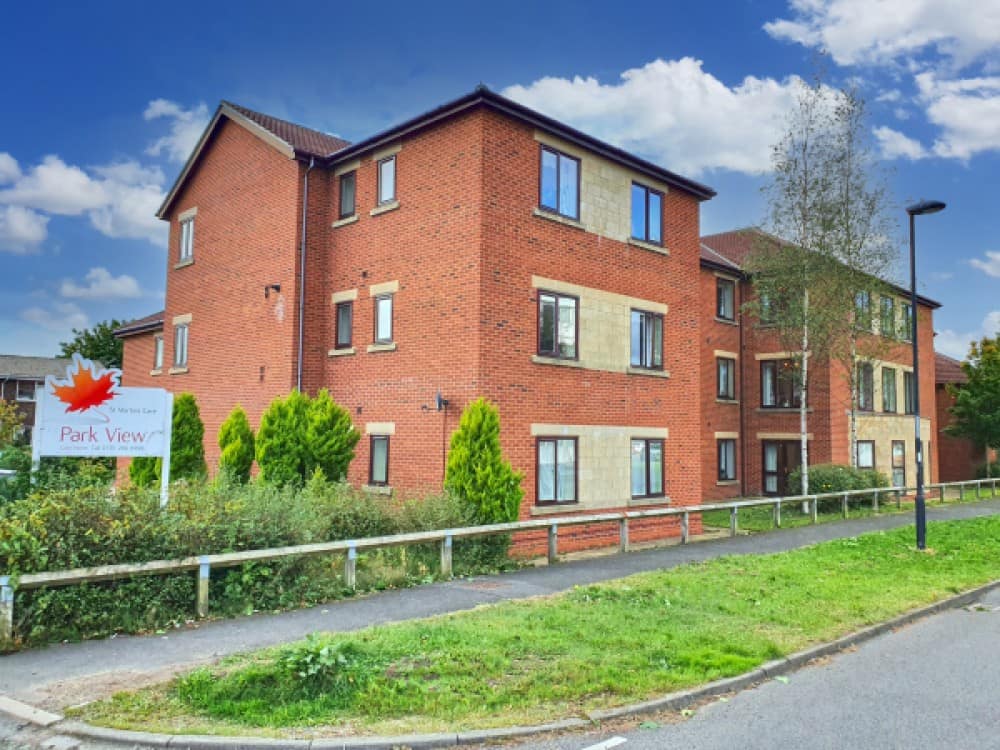
When the hospital says your relative can't go home
A fall, a stroke, a chest infection, worsening dementia — and a hospital discharge team or social worker at a Liverpool hospital tells you your relative is medically fit for discharge but can't safely go home. You may have only a day or two to find a care home or nursing home that has a bed and can meet their needs. It is one of the most stressful, fastest-moving decisions a family ever faces. Here's how to move quickly without being pushed into the wrong place.
Work with the discharge team — but you still choose
The hospital discharge team or social worker is there to help arrange the next step, and they'll often give you a list of homes with a vacancy. Use it — but know that the team is also under pressure to free up the bed. You are entitled to choose a home that isn't on their shortlist, to see its most recent Care Quality Commission (CQC) inspection report, and to look round (or send a relative to look round) before you agree.
Care home or nursing home?
A residential care home supports people with everyday tasks; a nursing home also has qualified nurses on site for people with medical or complex needs. Discharge from hospital often means nursing-level needs, at least at first. Ask which level your relative has been assessed as needing — placing someone in a home that can't meet their needs usually means a second move within weeks, which is exactly what you want to avoid.
Widen the search beyond Liverpool itself. A suitable bed can come up in Bootle, Huyton, St Helens or Birkenhead days before one does in the city centre. In a discharge crunch, a few extra miles is often the difference between a rushed placement and a good one — and you can usually move your relative closer later, once they're settled.
Who pays for it
In England the hospital normally uses a discharge to assess approach: your relative is discharged first and their long-term needs are assessed afterwards, often with a short period of funded care to bridge the gap. Two things then decide who pays. First, if their needs are primarily health needs, they may qualify for NHS Continuing Healthcare (CHC), which covers the full cost of a care home — ask the hospital to consider a CHC checklist. Second, if not, the local council carries out a financial assessment (means test): above the upper capital threshold your relative self-funds, below it the council contributes. Ask the discharge team to arrange both the care-needs assessment and the financial assessment, and get the outcome in writing before you commit.
The questions that actually matter
Is there a bed now, and will you hold it? Are you registered for nursing or residential care, and what did your last CQC report say? Can you meet my relative's specific needs — dementia, mobility, continence, a PEG feed? What is the staffing level at night? Can we look round first? And what will we actually pay, once the assessments are done? Straight answers here separate a safe placement from a scramble.
A faster way through it
Curalune Care Help pulls together a shortlist of 3-5 suitable care and nursing homes around Liverpool that have availability and match your relative's needs, usually within one working day — with the vacancy, registration and fee questions already asked. During a discharge window measured in days, that lets your family focus on the decision instead of ringing round one home at a time.
Complete guide: Care homes in Liverpool: the complete 2026 guide
The starting point, already done
Finding suitable homes, checking they can meet the level of care and gathering the contacts takes days of phone calls. Curalune Care Help gives you that starting point: 3 to 5 suitable care homes within 24 business hours, with contacts, links and a ready-to-send message you can put to all of them at once. £69, one-off: if you don't receive at least 3 homes matching the area and criteria you gave us, we refund you in full. Start here